
Stress management is important part and it has become one of the most common challenges of modern life, affecting individuals across all age groups and lifestyles. Whether caused by work pressure, emotional strain, financial concerns, relationship issues, or excessive screen time, stress impacts both mental and physical health. The body’s natural response to stress—the “fight or flight” mechanism—is useful during emergencies, but repeated or prolonged activation leads to chronic stress, a condition that gradually weakens the body’s systems and reduces emotional resilience.
Chronic stress contributes to a wide range of health issues, including headaches, poor sleep, irritability, digestive problems, weakened immunity, high blood pressure, hormonal imbalances, and lifestyle diseases such as diabetes and heart conditions. The mind becomes overly reactive, the breath becomes shallow, and the nervous system stays in a heightened state of alertness. Over time, the body loses its ability to relax naturally.
While people often try quick fixes such as overeating, overworking, or excessive entertainment, these coping mechanisms worsen the underlying imbalance. Sustainable stress relief requires a deeper, holistic approach that aligns the mind, breath, and body. This is where yoga, especially when combined with pranayama, offers profound healing benefits.
Yoga addresses stress at a physical, mental, and emotional level. Gentle movements relax tight muscles, improve posture, and release tension stored in the neck, shoulders, spine, and hips—areas commonly affected by stress. However, yogic asanas alone are not sufficient. True stress reduction comes from regulating the breath, because the breath directly influences the nervous system. When breathing becomes slow and controlled, it sends signals of safety to the brain, reducing the production of stress hormones and activating the parasympathetic (relaxation) response.
That is why pranayama (yogic breathing) plays a central role in stress management. It helps calm mental fluctuations, reduces overthinking, balances emotions, and improves clarity of thought. Breathwork also supports better sleep, improves concentration, and restores balance to the endocrine and autonomic nervous systems.
Our Yoga Healing Program for Stress Management combines asanas, pranayama, meditation, and lifestyle guidance to help individuals break the cycle of chronic stress. The program begins with gentle stretches and restorative postures that release tightness in the spine, chest, and shoulders. As the body relaxes, pranayama techniques are introduced to deepen the healing process. Participants also practice mindfulness and guided meditation to cultivate inner peace and emotional balance.
Essential Pranayama Techniques for Stress Relief
Here are the most effective pranayama practices included in the stress relief program:
1. Nadi Shodhana (Alternate Nostril Breathing)
Balances the left and right brain hemispheres, reduces anxiety, improves focus, and calms the nervous system. This is one of the most effective pranayama techniques for emotional balance.

2. Bhramari Pranayama (Humming Bee Breath)
Soothes the mind, reduces anger and irritation, lowers heart rate, and induces deep relaxation. Excellent for calming mental chatter.
3. Deep Diaphragmatic Breathing
Teaches full oxygenation of the lungs, reduces shallow chest breathing, and helps the body move from “fight or flight” to “rest and restore.”
4. Chandra Bhedana (Left Nostril Breathing)
Activates the cooling, calming lunar energy; ideal for evening practice and reducing mental restlessness.
These breathing practices make the yoga program complete and effective, ensuring results beyond physical stretching.
Recommended Yoga Poses for Stress Relief
1. Balasana (Child’s Pose)
A grounding posture that helps calm the mind, reduce tension, and create a feeling of emotional safety.
2. Viparita Karani (Legs-Up-the-Wall Pose)
A powerful restorative pose that reduces fatigue, enhances blood circulation, and lowers stress hormones.

3. Shavasana (Corpse Pose)
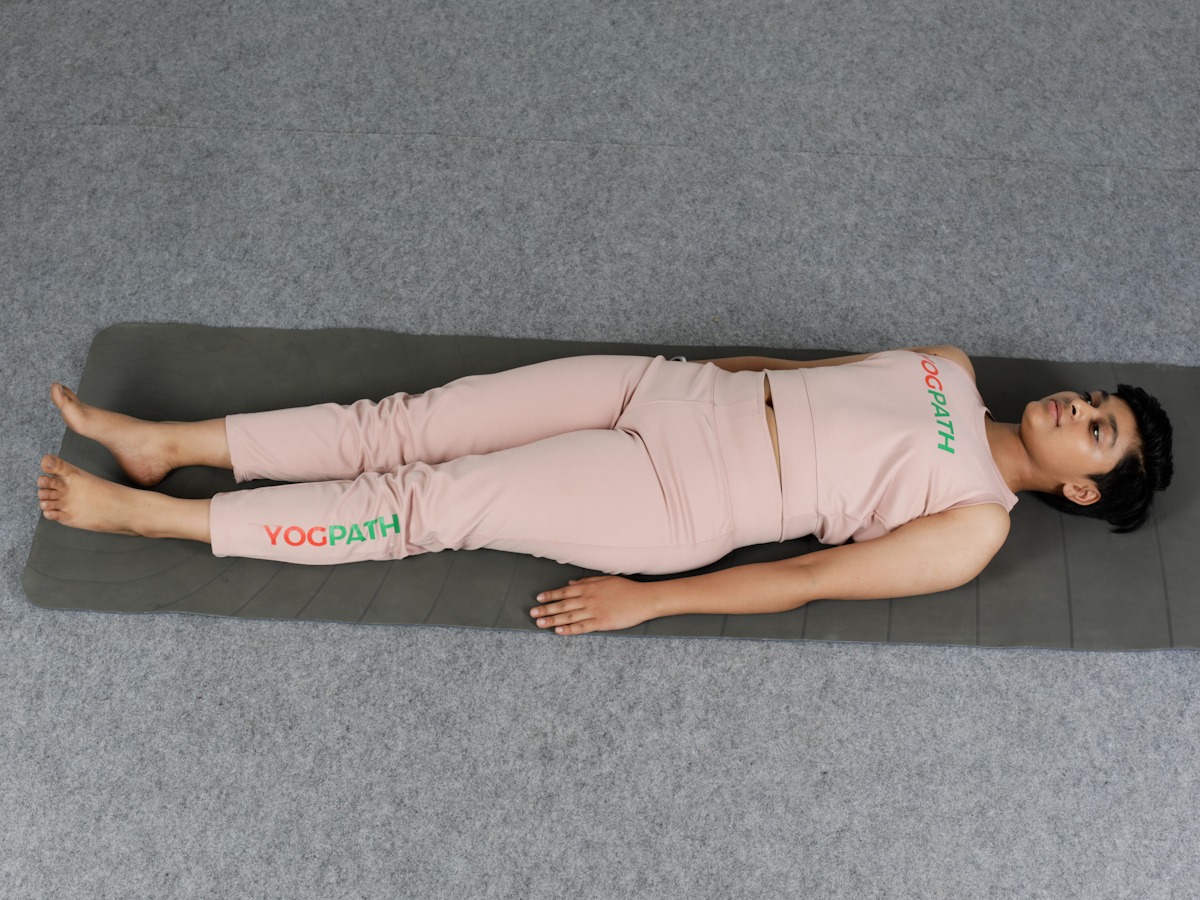
A complete relaxation posture that integrates the benefits of pranayama, meditation, and movement. Must read Role of yoga in stress management and implications in major depression disorder
Choose the Program to Start Practice Now
Begin your journey toward emotional balance and inner clarity with our Stress Management Yoga Program, designed with restorative poses, calming pranayama, and guided meditation practices. Each session helps regulate breath, release tension, and build long-lasting resilience to stress.
👉 Start Your Stress Relief Yoga Program Today — Experience Deep Calm and Mental Peace.
Contraindications for Stress-Management Yoga & Pranayama
While yoga and pranayama are generally safe, certain conditions require careful attention:
1. Severe Depression or Panic Disorders
Deep meditation or breathwork may intensify emotional responses. Practice under expert supervision.
2. Uncontrolled High Blood Pressure
Avoid breath retention (kumbhaka) and very fast breathing practices until BP is medically stabilized.
3. Respiratory Conditions (Asthma, COPD)
Avoid forceful pranayama like Kapalabhati or Bhastrika. Choose gentle breathing practices instead.
4. Pregnancy
Avoid lying flat on the back for extended periods and avoid strong twists or intense breathwork. Prenatal modifications required.
5. Vertigo, Dizziness, or Migraine
Avoid inversions and rapid breath cycles.
6. PTSD, Trauma, or Anxiety Disorders
Some introspective meditation may trigger emotional releases. Trauma-informed guidance is recommended.